If you are looking for a company that can help you with your garage door issues or garage door projects based in Newark, NJ. You've found the right company! Call us today to set an appointment.
If you need some work done on your garage door, it's important to hire a Garage Door Repair Newark, NJ professional you can trust.

If you are looking for garage door replacement, Lorenzo Garage Door Repair Newark, NJ offers the most cost-effective and professional options available. If your current garage does not have a opener or has been damaged beyond repair, our experts can help you find your perfect solution. Give us a call today!

We understand how important it is to keep your garage in good condition. That is why we offer professional maintenance services so that you can use and enjoy your garage without worry. We provide quality service with experienced technicians.

Our team of highly trained technicians can replace springs on all types of doors, whether they are electric or manual for an affordable price. We also carry a variety of spring types, so we can help you find the ideal solution to your problem. Give us a call.
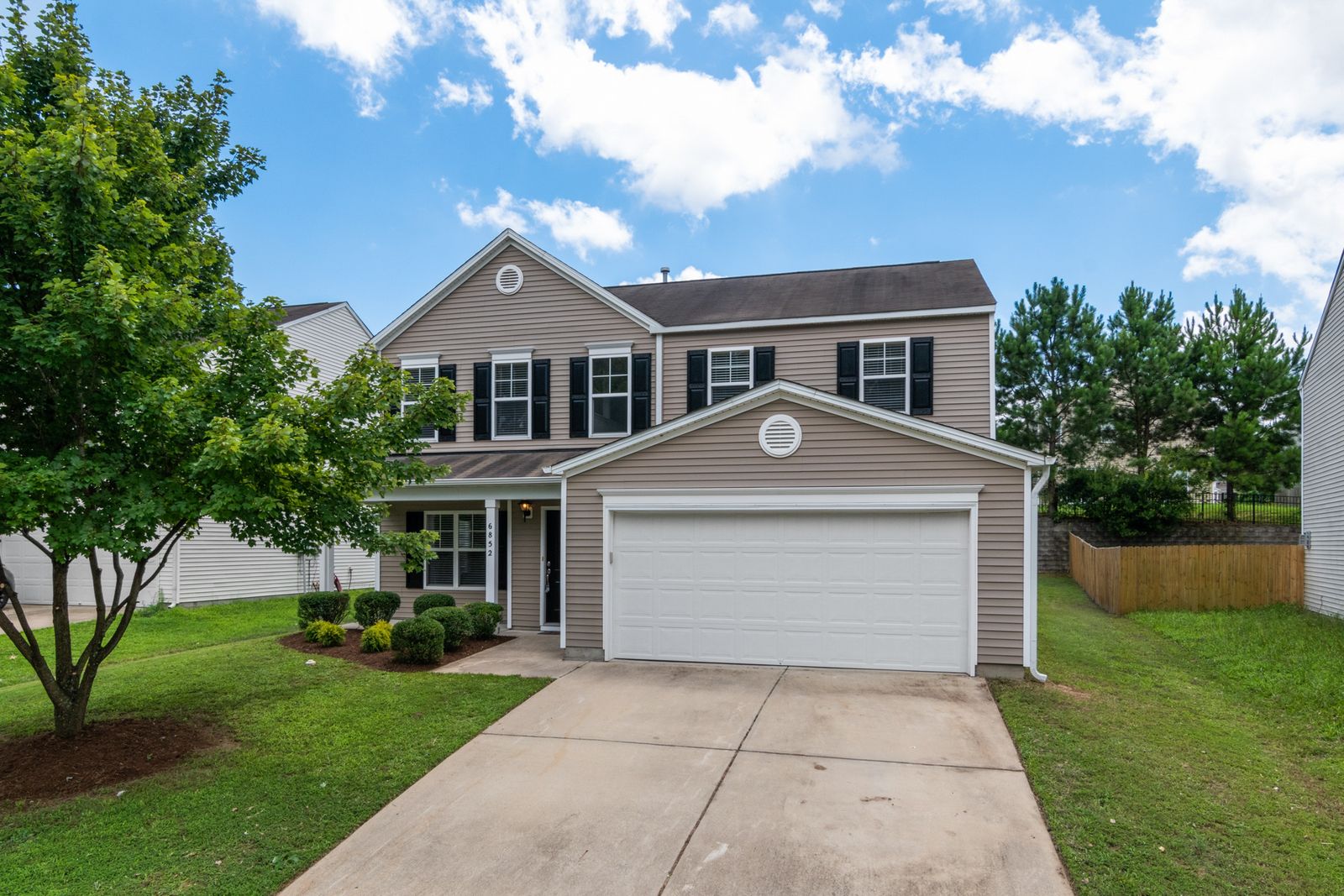
What is Garage Door Weather Seal?
A weather seal is the product that helps your garage door close and make a seal. It is what stops water from getting inside the outside of your garage door. It also protects the hinges, which are typically exposed to any type of weather. You can protect them with this gasket product, which can withstand any kind of rain or snow without having to worry about warranty on it.
Who Needs Garage Door Weather Seal?
Anyone who has a garage door that is exposed to the outside of their home should look into getting this weather seal. It will make it easier for you to use your garage door and make it last longer than usual. It can also be used on other things that open outside of your house such as windows or skylights. The material is made to last for years, which makes it a great investment for anyone who wants to invest in quality and affordability at the same time.
Importance and benefits of Weather Seal | Weather Seal For Garage Door
Keeping your garage door protected with weather seal will help to keep it from getting damaged. This means that you will not have to replace your garage door. You can save yourself money by protecting your garage door and keeping it in good condition. It is also a great investment because you do not have to worry about it getting damaged during the winter or rainy season. This weather seal is affordable, which makes it a great option for those who want to invest in their home without spending much on products like these. Investing in this protective product will give you more value for the money that you spend on other products for your house such as roofing or windows. It is a great investment to make because it will give you things that you do not get when investing in other products.
Conclusion
If you want to make sure that your garage door stays protected and is free of damage, then investing in weather seal for your garage door for your home is the best option for you. It is affordable, which makes it a great investment for anyone who does not want to spend much on protecting their garage door. It will make it easier for you to use the garage door without having to worry about the weather sealing off and getting damaged when exposed to harsh weather outside like rain or snow.